Archive for March, 2015

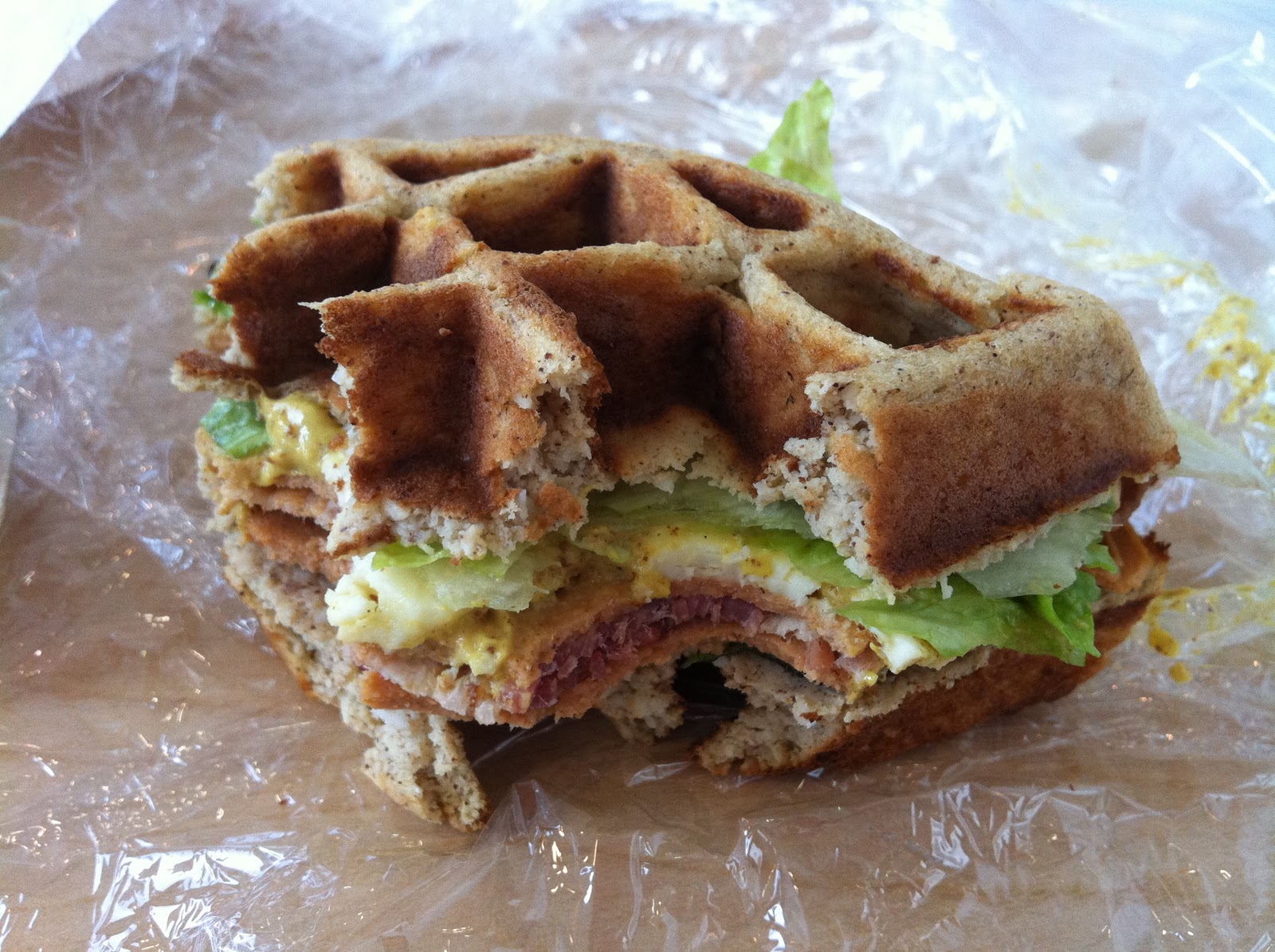
What do grain-free sandwiches look like?

Dr. Hyman, a functional medicine physician practicing with a strong emphasis on nutrition just wrote an excellent article on how to create satisfying, palatable even delicious grain free sandwiches.  The options are endless. My two favorites: grain-free waffle sandwiches AND wrap anything in nori!  (I have a super easy waffle recipe that you can freeze and use throughout the week.  I’ll post that tomorrow).

http://drhyman.com/blog/2015/03/19/food-bites-with-dr-hyman-grain-free-sandwiches/

Be well,

Lynn

Hold the Joe?

Americans love their coffee, especially the caffeinated kind. And as we age, chase kids, run a family, and be busy we become a little more tired making us crave the caffeine even more. But as we “mature” our livers become taxed and caffeine or even increased caffeine can wreak havoc on our liver.

As Dr. Alan Christiansen, the author of “The Adrenal Reset”, states:

“People have very significant differences on how well they can tolerate caffeine. It is also true that we all become more sensitive to caffeine once we pass our mid 20s. Specifically what happens is that it takes longer to move caffeine through our liver and out of our body as we age. If you are in your 40s, you might be able to eliminate up to 100 mg of caffeine over the course of the day. Imagine what would happen if you consumed even just 120 mg every day. Rather than starting over each day you would have a backlog left over from the day before, on top of the extra hundred 120 mg that day. The problem is that eventually you have caffeine in your bloodstream all day long even if you only consume it in the morning.

That continual exposure to caffeine prevents you from shutting off your cortisol at night. For many people that can lead to poor quality sleep; harder to get to sleep and harder to stay asleep. You can also prevent your body from responding to your thyroid hormones in the morning, which makes you more tired and less able to burn fat.

What to Do?
If you are a regular caffeine user, here are some ways to be strategic about it:
Take a minimum of one day per week to avoid caffeine altogether. This will keep you from building up a backlog. For many, two days works even better, especially when they are consecutive. Here’s a secret, the days you have caffeine, you will enjoy it more and get more of a boost out of it then you would if you were a daily user.

If you are more sensitive to caffeine than others, you may be better off focusing on decaffeinated beverages like coffee or tea. Some are sensitive enough to where they are better off avoiding even decaffeinated beverages on a regular basis. “Decaffeinated” does not mean caffeine-free.

Tired all the time without your coffee?  It’s important to dig deeper.  Your adrenals may need true support.

Be well,

Lynn

Gluten Intolerance is “fake”?

Articles are surfacing claiming that gluten intolerance is not an actual experience and that it’s a “fad” or even “fake”. I’ve had a few of my clients raise this issue with me. The facts are that even the ‘nay-sayers’ can’t argue that science is disproving gluten intolerance. I love research but I’m happy to say I didn’t have to do that for this argument. The well-respected, researcher, Chris Kresser did it for me.

Here’s his article.

When Gluten-Free Is Not a Fad

Be well,
Lynn

Why counting calories is out and eating the right foods is in.

Eat less, exercise more. How many times have you heard this adage? The problem is regardless of how many times it’s said the overweight population is growing. So why is this? Is it because we’re not listening or because this phrase is outdated? Being outdated is the best answer.
Looking at how the body manages the food is equally as important as what foods are going in. In other words, comparing two equally caloried foods such as a cookie( laden with sugar and grains) to a bag of carrots will not produce the same result in the body. The cookie will force the pancreas to work harder and send the liver its toxic waste. The nutrients in the carrots will be absorbed into the bloodstream for repair and healthy cells. This will happen regardless of whether they are the equal number of calories or not; ultimately two entirely different outcomes.
So what should you eat?:
1. 6 cups of vegetables per day
2. 3 (3 oz portions of protein per day)
3. Good fats (avocados, olive oil, butter, nut butters…)
4. Starchy vegetables (potatos, yams, squashes) if you can tolerate them.

Yes abundant quantities of the wrong foods are excess in calories. But eating whole, fresh, clean vegetables, grass-fed proteins and good fats can actually promote a healthy metabolism, keep the good genes switched on and nourish the body.

Be well,
Lynn

WOMEN: Ever wondered what to eat & how to exercise throughout your cycle?

Have you ever wondered if there’s a particular time “of the month” to eat certain foods or implement specific exercises?  Is it probable that the woman’s body needs different supports at different time of the months?  You may crave carbohydrates, chocolate or other foods just before you menstruate but weren’t sure why? If you have wondered the answers to these questions, then your intuition was spot on. (MEN: please don’t disregard because women have been targeted.  You too may find this information interesting). 

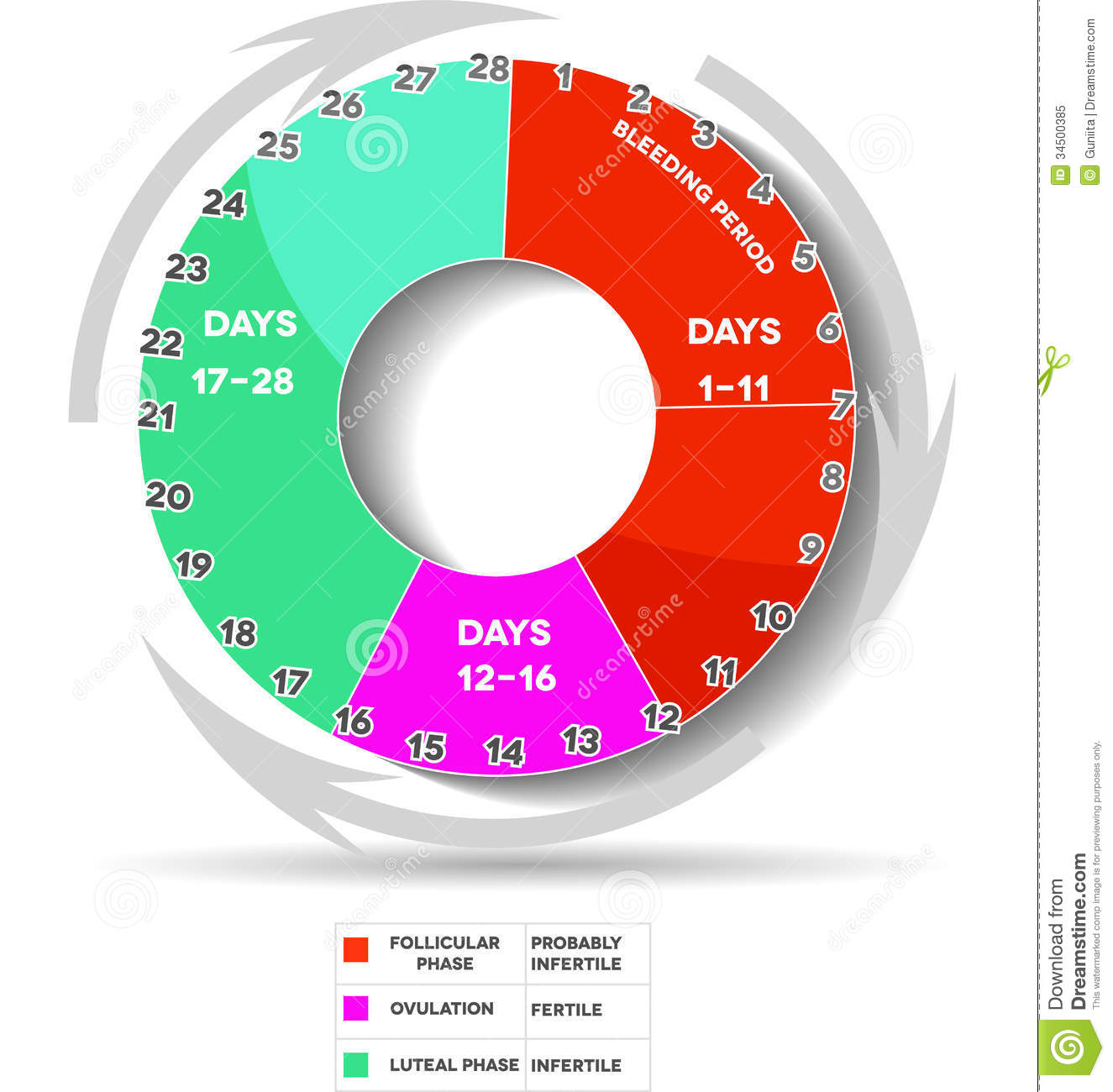
Before I proceed in giving you a brief summary of what’s occurring within a woman’s body and what it’s true needs are I must emphasize that each of us are individuals so this is not a ‘one size fits all’ approach. I’ve included a basic diagram for support.   
http://www.dreamstime.com/royalty-free-stock-photo-image34500385

During Days 1 through 13, the follicular phase, estrogen is climbing and progesterone and a woman’s body temperature will usually maintain.  This is an increased period of insulin sensitivity and increased pain tolerance.  What does this mean?  This is a good time in the cycle for intense anaerobic workouts, carbohydrate loading (like sweet potatoes, yams, rice and starchy veggies) especially if you will be competing.

During Days 12 through 16, the ovulation phase, estrogen has peaked and progesterone begins to climb.  When this occurs serotonin (our feel good neurotransmitter) can decline and a woman may experience carbohydrate cravings.  Metabolism climbs and women typically feel the warmest in body temperature.  Overall, weight training is good during this time, being careful to not overdue the weight training (an increase in torn ACL’s have been correlated with heavy weight training and the ovulation period). 

During Days 17 through the 28th, 29, or 30th, the luteal phase, a woman begins menstruating.  The metabolism slows during this phase.  The body prefers fats over carbohydrates and benefits greatly during this time with fat burning exercises at a conversational pace. 

Please keep in mind there are other variables that can offset the nutritional needs and exercise performance of a woman.  Peri-menopause, the 10 year time frame prior to the onset of menopause can create hormonal imbalances.  Chronic stress (internal/external) can deplete a woman’s progesterone levels regardless of the type of exercises, times of the months and foods that are consumed.  If a woman is suffering from low progesterone, symptoms will present and fatigue may prevent a woman from wanting to exercise at any time during their monthly cycle.  In these circumstances, identifying hormonal imbalances and supporting them can be of tremendous support. 

You can find hormonal support programs here

Be well,

Lynn