Heart disease is the number one cause of death in both men and women. Women receive a warning system as they age if there are imbalances, infections and/or inflammation. It’s called perimenopause and menopause. Symptoms vary from women to women and unlike common beliefs, hot flashes, inability to sleep, weight gain are not normal, but rather warning signs. Men, however, don’t receive a warning system per say. Or do they? I just recently listened to an excellent podcast by Dr. Joel Kahn, a holistic cardiologist. What he had to say is extremely important. I urge you to read this thoroughly and to share this with your loved ones.
Don’t wait for chest pain or a mild heart attack to seek help. There are other early warning symptoms that must be explored:
- Erectile dysfunction is an indication of vascular issues and can be a predictor of heart disease. There’s a strong correlation between erectile dysfunction preceding heart disease.
- Baldness can indicate clogged arteries.
- Calf cramps may indicate that blood is not flowing below the heart.
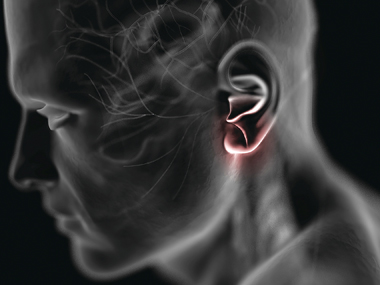
- A vertical ear crease has been correlated with heart disease.
- Poor sleep habits (less than 7 hours per sleep per night) increases risk.
- A poor diet.
If you feel that you or your loved one is showing these risk factors, then please read further.
What tests have been traditionally conducted? An EKG/ECG, which is commonly recommended, recognizes only electrical activity of the heart and identifies latent stages of advanced heart disease. Alllow me to emphasize, an EKG doesn’t recognize early stages and is not enough. An exercise stress test: looks for lesions… but if 40 to 60% of the lesions are narrowed, it will be missed. In other words a stress test picks up the worst of the worst. Cardio lite is nuclear ingested and involves loads of radiation providing great inaccuracies…false positives and missed populations.
It’s important to look at the actual arteries to find out if they are blocked.
There are two extremely important tests that offer early detection of heart disease. The first is a coronary artery scan. This will show if 99% or more of arteries are damaged. There are three main arteries that pump blood in and out of the heart. The heart arteries are deep and small. Calcification (bone like material in arteries also referred to as plaque) contains 20% of calcium and show up easy in XRays. The test involves a cat heart scan (quick and informative) and is available in every clinic across the country. Nothing is injected into the blood stream and the radiation exposure is 1 SMV compared to the cardiolite which is 12-15SMV’s. The ideal result is “0” based on a formula. A result of 1-99 increases the risk of heart disease by 50% more than patients with 0. This test is not necessary to repeat more than every 10 years. The Coronary artery calcium screen costs about $100 to $150 per test but is unfortunately not covered by insurance.
The second is a CMIT test ultrasound of the carotid arteries in the neck under the skin. CMIT stands for Carotid Intima-Media thickness. This neck ultrasound checks the thickness of the artery…compared to age. This is the earliest way to know the age of your arteries (are they older or younger than your chronological age). Based on these results a program can begin and this ultrasound can be repeated 6 to 12 months to monitor. The results will show: less than 25th percentile suggests a low risk, 50 -75th percentile offers average thickness and over 75th percentile in thickness of the arteries suggests the highest risk. A middle aged person is .6 to .7 micrometers. For ever .1mm increase in the CMIT results, the risk for heart disease increases by 10 to 15% and the risk of stroke increases by 13 to 18%. The cost again is not covered by insurance but ranges from $150 to $250. Unfortunately it is not as widely available.
Other necessary tests that are recommended by Dr. Kahn and are widely available are:
1. Advanced Cholesterol panel
2. High Sensitivity C Reactive Protein
Let’s continue to be proactive in health.
“The best time to fix the roof is when the sun is shining”.
Be well,
Lynn

 August 27th, 2015
  Lynn
Lynn 
 Posted in
  Tags:
Tags: